



Description
The Wardrobe Has Changed. So Has the Woman Wearing It. There is a quiet revolution unfolding in Indian fashion and it isn’t happening on the runway. It is happening in the everyday: in the woman who walks out of a morning video call, into a client lunch, and straight to a social evening, all in the same outfit, without compromise. For too long, Indian womenswear wasbuilt around moments — the wedding, the festival, the o ce. Clothing was occasion-first, and everything else came second. That contract has been torn up. What is replacing it is something far more interesting: a wardrobe built for life in motion, where comfort is not a concession and style is not a reward for endurance.
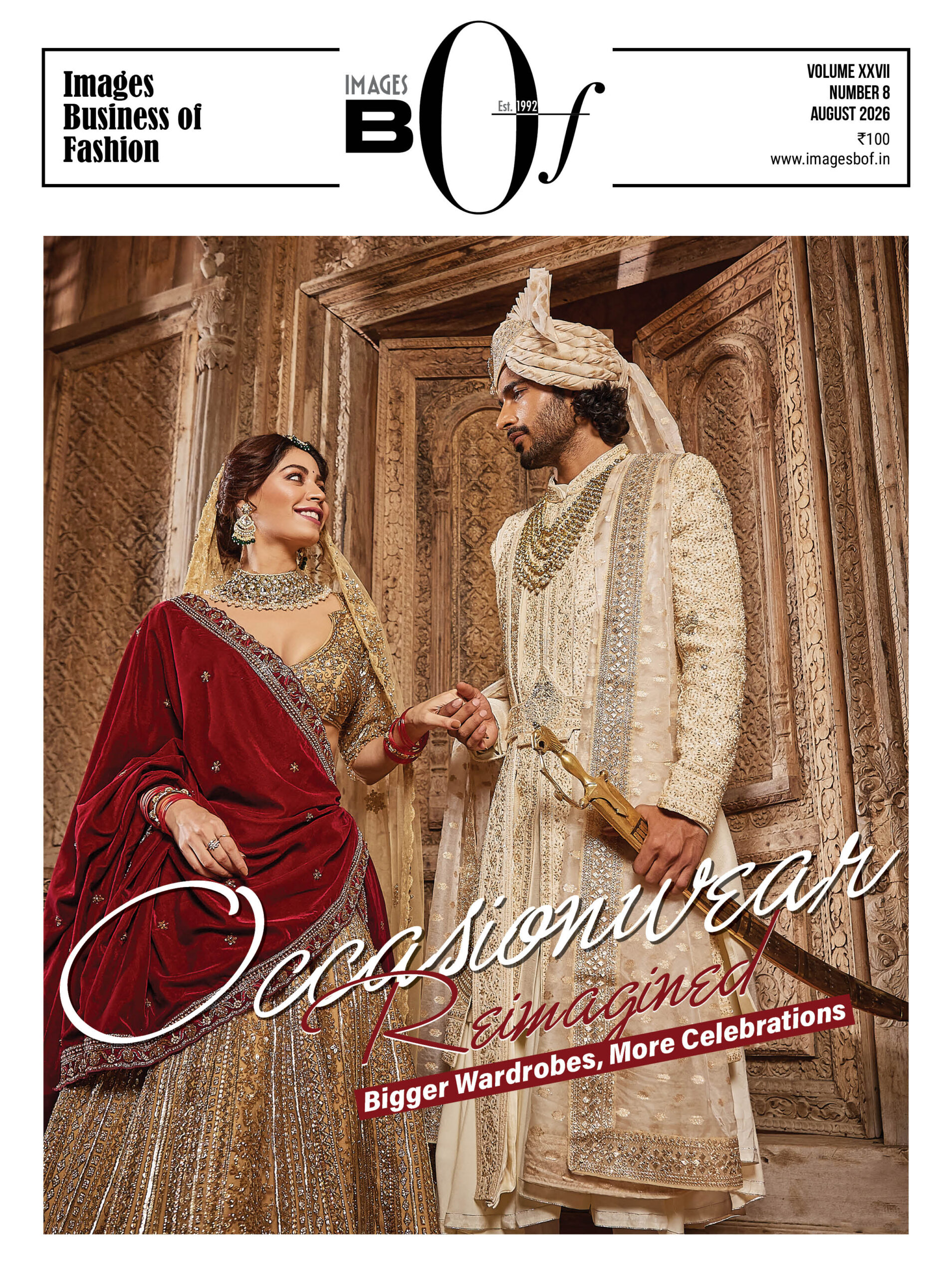
Business of Fashion May issue’s cover story captures that shift in full. The numbers are compelling — a global market projected to reach $1,758 billion by 2035, with India emerging as one of its most dynamic engines. But the real story is not in the figures. It is in the design thinking that is quietly changing: grading systems built around Indian body proportions, fabrics engineered for Indian heat, silhouettes informed by how Indian women actually move. Inclusion, for once, beginning at the pattern table rather than the campaign poster.’
What strikes us most is the convergence happening across categories — between ethnic and western, performance and elegance, exclusivity and accessibility. Fusion wear is scaling fast. Functional fabrics are entering mainstream wardrobes. Homegrown brands are earning premium positioning that was once the exclusive preserve of international labels. Indian womenswear is no longer dressing women for who they are expected to be. It is finally dressing them for who they actually are — dynamic, intentional and entirely unwilling to choose between style and real life. That, to us, feels like the most exciting fashion story of our time.