



When Arjun Singh returned from Australia in 2023, he looked at India’s booming sneaker culture and noticed something is missing. Singh noticed the desire in customers to buy storytelling-based sneakers but these customers were chasing stories and design language that belonged to someone else’s culture. India, despite its deep roots of craftsmanship, sports, and dance heritage, had no sneaker brand telling its own stories. That gap became Gully Labs.
“Through Gully Labs, we wanted to show the world that Indian culture is more than just bollywood, cricket and naanbread. We’re taking those raw, real and untold stories to the global stage. See how we’re making it happen,” Singh wrote in Gully Lab’s manifesto in 2023. Animesh Mishra, who was also Singh’s junior from college, quit his job at Bain and joined Gully Labs as a co-founder.
Launched in August 2023, Gully Labs was born out of a simple but bold idea: to build a household sneaker brand from Delhi that is truly and unapologetically Indian. A brand shaped by local streets, crafts, and culture, not borrowed from the West. In April 2024, the brand set up its first workshop in a 1000 sq. ft. space in Noida Sector 10, with six karigars and a tight-knit team. This is where its earliest sneakers were sampled, stitched, and shipped, all under one roof.
From the Indrani sneaker to a chappal collection drawing on Kolhapuri design, Gully Labs has built its identity on
translating Indian cultural references into contemporary footwear, made using traditional ‘hand-lasting’ techniques more commonly associated with premium Italian shoemakers.
Three years in, the brand is selling 6,000–7,000 pairs a month, has raised Rs 35-40 crore, and is now expanding into apparel and new retail formats. Last year, the brand also stepped into physical retail with an experiential store in Delhi.
In an interaction with IMAGES Business of Fashion, Co-founder Arjun Singh speaks about the brand’s design philosophy, its retail and expansion plans, and where Gully Labs sees itself in the coming years.
Excerpts from the chat…
 Q: Why did you start with sneakers specifically? What made you feel there was a gap in the Indian market for culture-based sneakers?
Both Animesh and I are really into sneaker culture. When we were starting Gully Labs, we saw the hype and demand for international sneaker brands in India, but every time people lined up for those brands, it felt slightly inauthentic to me. Those products are genuinely good, but come wrapped in someone else’s design history and storytelling — Jordan’s legacy, a Sean Wotherspoon collab, whatever the instance. Nobody was just buying a performance shoe. We were lining up to be part of a cultural artifact and its story. What was missing was Indian representation.
There is clearly demand for that kind of storytelling-led product in India but no one was building it with an Indian design language. That’s not a knock on the international brands; they have done fantastic work. But that gap was the seed of Gully Labs, and it has shown up in every collection since.
Q. What does hand-lasted actually mean?
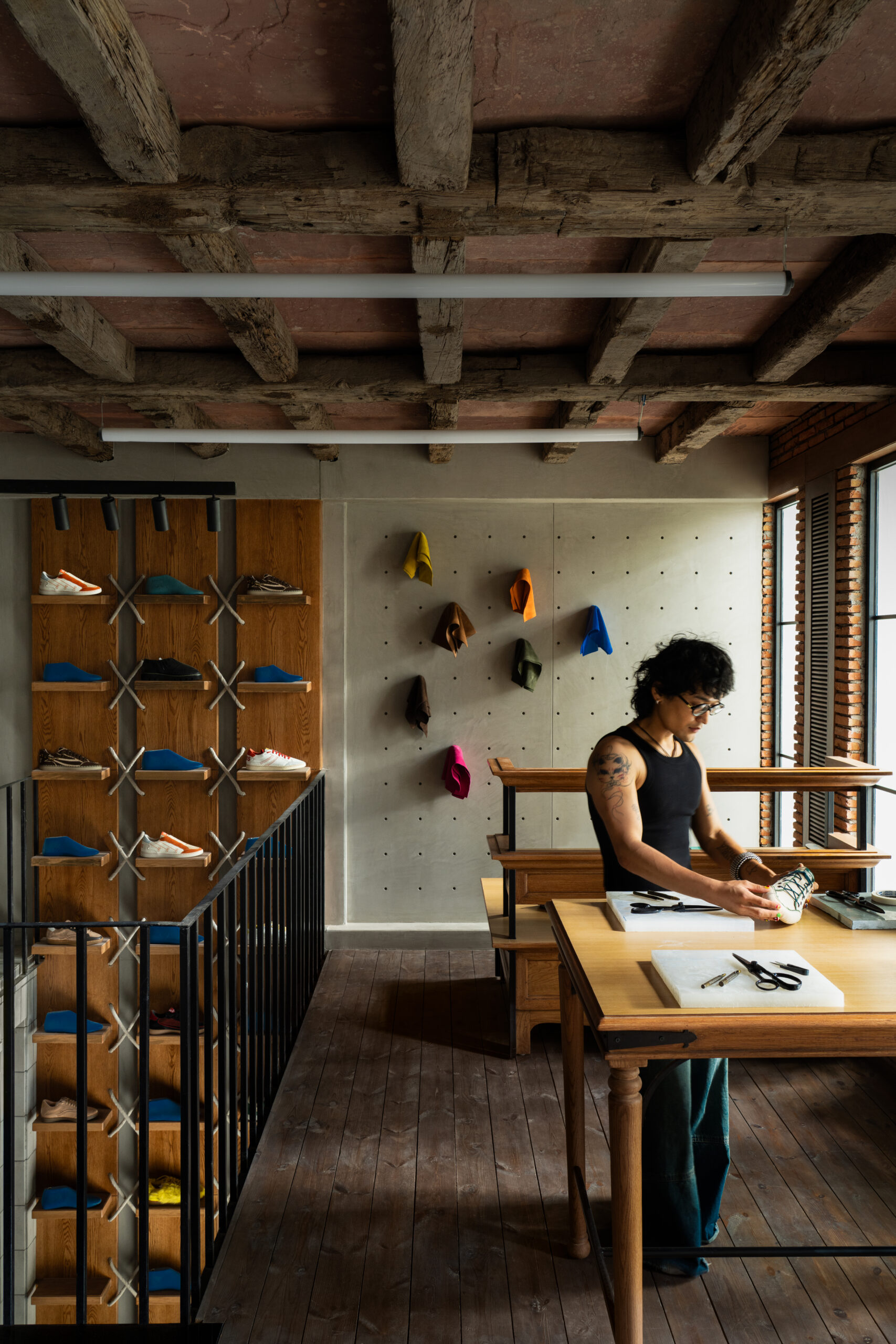
Shoes are made using a few different construction methods. One is cement construction. A machine-led process where the upper is attached to the sole using a machine. Lasting is the more traditional method. To this day, Italian shoemakers charge anywhere from Rs 50,000 to Rs 1 lakh for hand-lasted shoes. What it means, essentially, is that you take the upper and stretch it manually over a last, adjusting it by hand until it sets to the shape of the shoe. That takes real expertise from the karigar (artisan) to read the material. The karigar uses their own judgment to shape it as precisely as possible.
When we started the company, we committed to this traditional method. Today, it is a split process – a large proportion of our shoes are hand-cut, machine-stitched, and hand-lasted on the upper, while some of our more accessible, mass-market models use faster methods. But our premium line is entirely handlasted. All our materials are chosen to age well over time. We deliberately avoid synthetics and PU, which a lot of cheaper shoes rely on. We primarily use canvas and leather because we believe they stand the test of time and age well with wear.
Q: Can you tell us about some of your collections, and how you research the stories you want to represent India through your sneakers?
Take the Indrani shoe — inspired by the dancer Indrani Rahman. We were the first in the world to integrate a ghungroo into a sneaker; no one had thought to do that, and it’s such a distinctly Indian element. The product itself is built to withstand the impact of dance — the front is a suede panel, and the shoe has a flat sole, staying true to the flat dance floor of contemporary dance forms.
Or take the Indian hockey team — they hold the record for the most Olympic gold medals of any team in any sport in Indian history, and that legacy has been almost entirely forgotten. We wanted to pay homage to it. Our 002 collection is inspired by hockey and sprinters, with that form factor imprinted directly into the design.
More recently, we released chappals inspired by Kolhapuri and Hawaii designs — something everyone had overlooked until Prada did it. Our Chappal collection draws deep inspiration from the Kolhapur region’s stitch and form. That’s exactly the space we want to occupy: taking design thinking that’s ours and turning it into products people actually want to wear.
In terms of process, we index on a few passion points: sports, athletics, dance, and craft. Our debut collection, for instance, was built around the kantha stitch, one of the oldest running stitches. It has since been adopted around the world in many forms.
Q. How many pairs are you making and selling right now?
We have about 60 SKUs right now, and we are adding one or two SKUs every month. Each month, we sell about 6,000-7,000 pairs.
Q. How do you expect to grow in the product innovation or product area over the next two to three years?
We’re solving for actual use cases. A lot of our silhouettes are designed around specific occasions — going out, comfort, open footwear, or designer occasion footwear. And we’re also playing across customer segments: people who want an affordable entry point to experience the brand, versus people who really go deep into the craft, who want to understand the design and detailing, and are willing to go a bit higher on price for that.
So that’s how we’re growing. We were very focused on a niche audience in the earlier days. But as we’ve grown and become a bigger comapny, we want to reach the next net-new buyer too.
Q. Since you are also venturing into apparel, does the same design language also replicate there?
Apparel is actually a use case that our customers gave us themselves. They would see our shoes and want to understand how
to pair them, how to style them well with the rest of what they’re wearing. These days there’s a whole trend of people styling their outfits around their shoes, and there’s a lot of brand love there. We wanted to extend that so people could express themselves through the brand in more ways. So creating apparel was the most natural extension for us. In terms of the actual designs, though, it leans more toward smart casuals rather than going fully designer.
Q: What age groups are you targeting with your apparel line?
We are targeting both men and women from the ages 18 to 35, though I think we can extend that to 40, 45 as well. We are creating a line of shirts, jackets, and pants that build out a full smart-casual wardrobe, using a variety of materials including linen, denim, viscose, and so on.
Q: Tell us about your retail presence. Where does your ARR stand today?
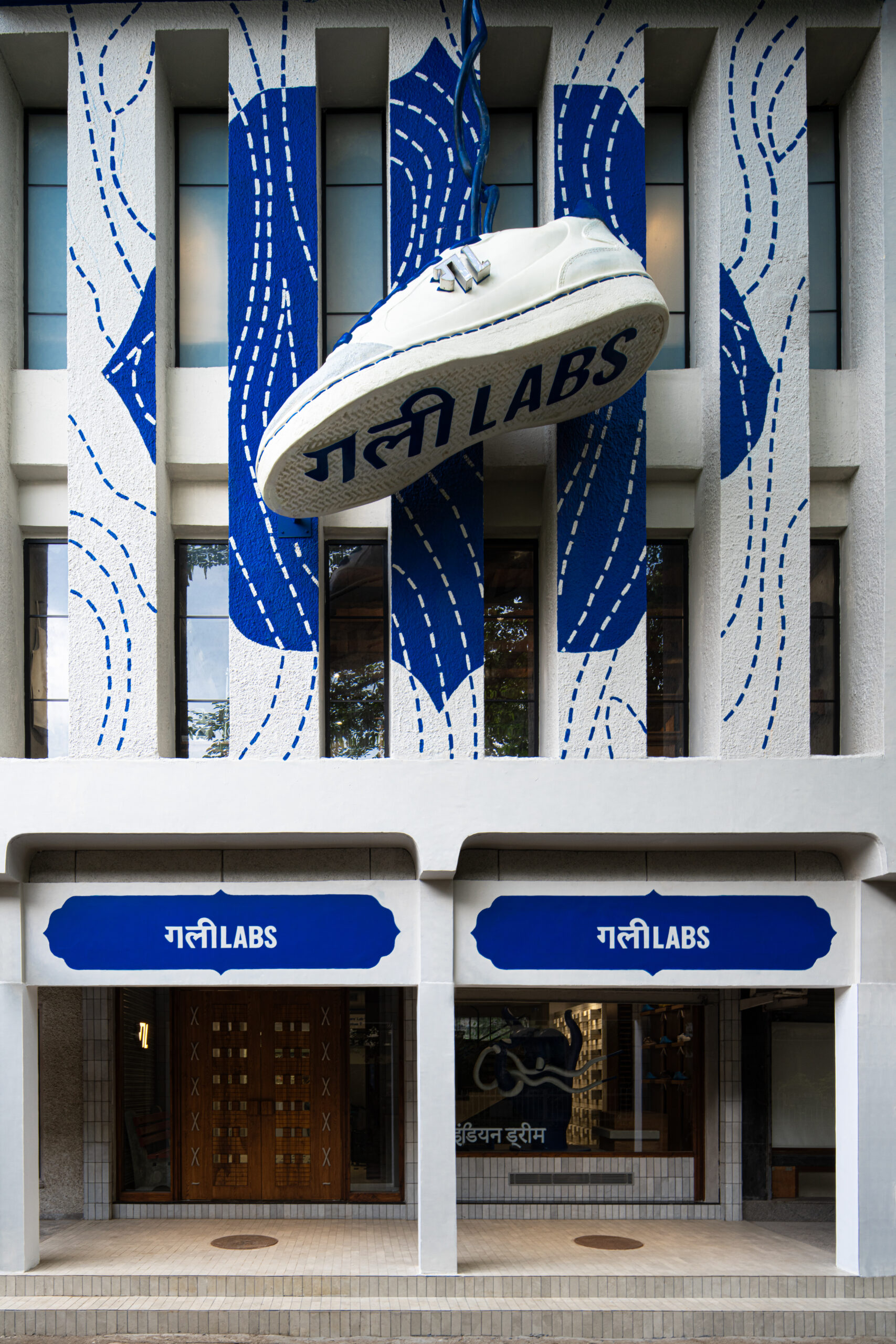
We currently operate one flagship exclusive brand outlet in Delhi. We are present across five Broadway stores in India, along with presence in some other multi-brand retail outlets. By the end of this year, we will have three stores that are our own EBOs and seven MBOs, and by next year, we are targeting to have at least three times the EBOs – so about seven to ten EBOs. We are doing about three and a half crores of revenue per month right now.
Q: Can you quantify how much of your growth is content- or culture-led versus product-led?
I think culture and content — for a large chunk of our audience so far — is what’s made them aware of what the brand does, who we are, and what we stand for. If you just hand someone a shoe, it’s a goodlooking shoe, and product-led growth can absolutely happen on that basis too. But I’d say a huge portion of our growth has come from content and culture, with the product itself being the form factor that’s converted people into actually purchasing. About one in five customers end up buying from us again every year.
Q. Is international expansion also on the horizon?
Not as of now, but we have a big portion of our sales that come from international markets including the US, UK, UAE, Singapore, Australia, Canada, where a lot of the Indian diaspora lives. Additionally, a fair number of non-Indian people are also purchasing our product.
Q: You recently partnered with CMF by Nothing and Tata Sierra. Are there any interesting brand partnerships we can expect in the future?
Yes, there are quite a few in the pipeline. The one that’s confirmed and coming out soon in the next month is with Thums Up. We are going to be a part of their ‘Toofani Karte Hain’ campaign and we will be engaging with their audience. Customers can also expect a collaboration with a global footwear and apparel brand that will roll out across India. Another campaign is lined up with a well-known designer; and one with a global candy company.
Q. Where do you see Gully Labs in the next five years?
We see Gully Labs as the destination of choice for people around the world — a place where they can find great sneakers, along with other accessories and products to pair with them. That could be apparel, fragrances, accessories, and so on. But fundamentally, Gully Labs is a sneaker company that is close to people’s homes, where they can go and enjoy and access fresh products from the brand.