





India’s innerwear opportunity in 2026 is becoming more specific. Alongside the familiar purchase of a replacement vest, bra or multipack, brands are offering solutions to particular frustrations: waistbands that dig in, visible seams, inadequate support, uncomfortable fabrics and uncertainty about size. The commercial opportunity is to solve these problems reliably enough that consumers choose the same brand again. For retailers, that shifts the discussion from how much shelf space innerwear deserves to how effectively the category can earn customer loyalty. Comfort, confidence and lifestyle integration provide a useful lens through which to understand this shift. From a retail management perspective, their value lies in the behaviours they can influence: willingness to try, acceptance of a higher price, frequency of use and eventual repurchase. A comfort proposition becomes commercially meaningful when the consumer experiences it consistently, including after washing and on the next purchase. The strategic task is to connect that experience to a viable operating model.
How Large is India’s Innerwear Market?
The market is substantial, although its boundaries require care. IMARC estimates India’s innerwear market at $12 billion in 2026, compared with $10.9 billion in 2025, and projects $19.8 billion by 2034, with a reported forecast CAGR of 6.49%. Its definition includes men’s, women’s and children’s products, thermal and base layers, and leggings. This is a broad market estimate, not an audited measure of underwear sales alone.
Women’s intimate apparel offers a particularly relevant opportunity for differentiated products and service. IMARC, meanwhile, projects the lingerie market at $6.4 billion in 2026, with projected growth of 8.3% annually through 2034. Its lingerie definition includes bras, panties and shapewear. These overlapping estimates should not be added together.
Why the Value Segment Still Matters
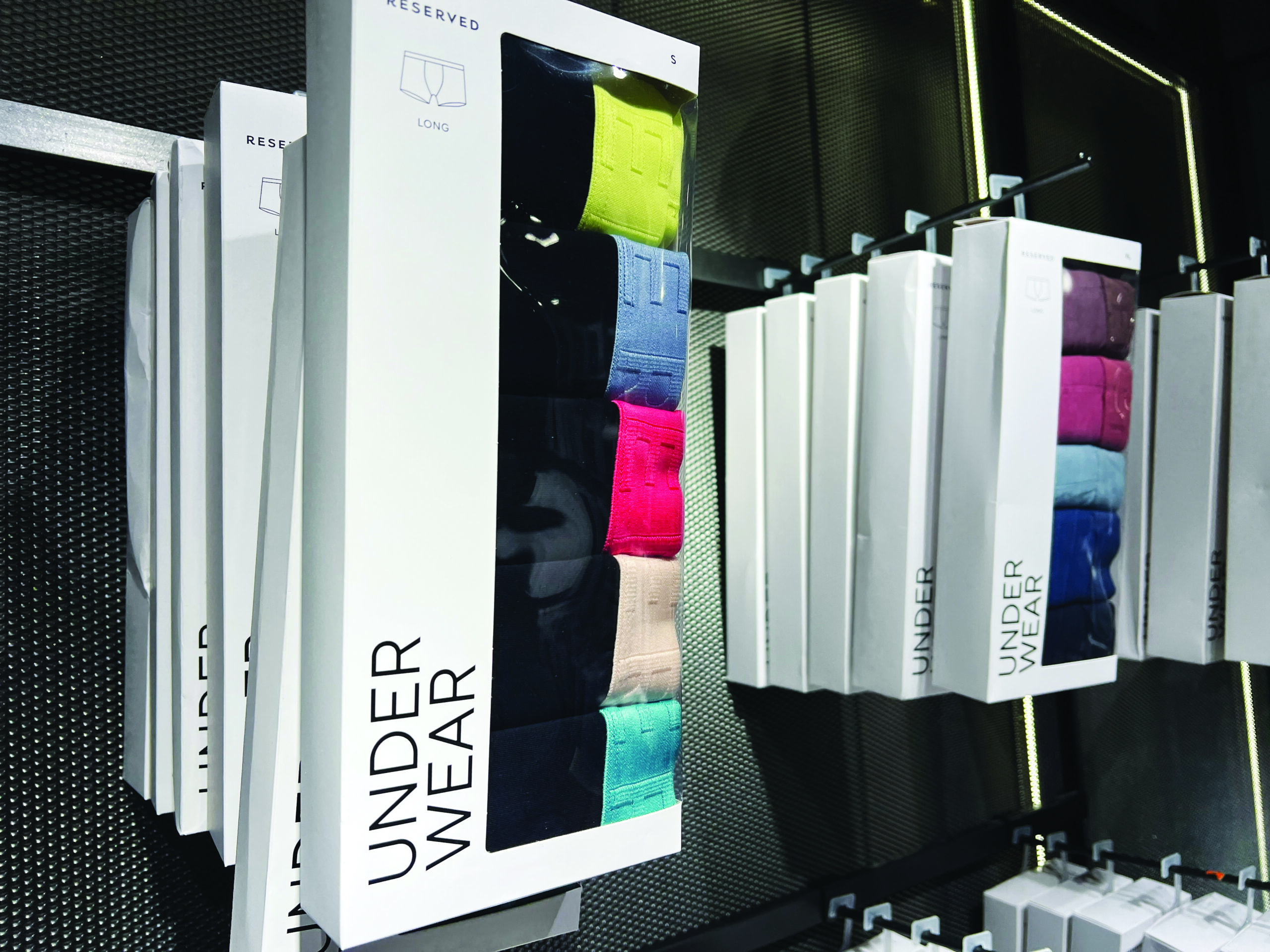 Equally, the opportunity extends across price levels: the same research estimates that economy products represented 69% of the lingerie market in 2025. Comfort must therefore be delivered at accessible prices as well as at the premium end.
The competitive landscape combines established distribution businesses, specialist brands and newer digital entrants. Lux illustrates the reach of traditional retail: its August 2026 presentation reports a network of more than 2 lakh retailers, alongside brands spanning economy, mid-premium and premium positions. This matters because product innovation must compete with the convenience, familiarity and availability that established players already provide. A compelling online proposition still needs to become an easy purchase in the consumer’s everyday shopping routine.
What Jockey’s Results Reveal
Listed-company performance also encourages a measured view of growth. Page Industries, the Indian licensee of Jockey, reported FY26 revenue of `5,246.8 crore, up 6.3%. Its business includes categories beyond innerwear, so this is a company benchmark rather than a market growth rate. In April–June 2026, revenue grew 7.9%, while volume rose 5.7%; management also reported input cost pressure. Demand expansion and operating pressure can coexist, even for a scaled brand.
What Makes Consumers Trade Up?
Against that backdrop, retailers should define premiumisation through a consumer benefit that can be demonstrated. Softness, support, seam construction, waistband comfort and fit consistency offer concrete reasons to trade up.
A higher ticket price alone says little about whether the proposition is working. The relevant test is whether consumers select the product again at an acceptable realised price, after the introductory offer has ended. That requires merchandising and customer research to examine use experience, not simply purchase intent.
Make the Benefit Easy to Understand
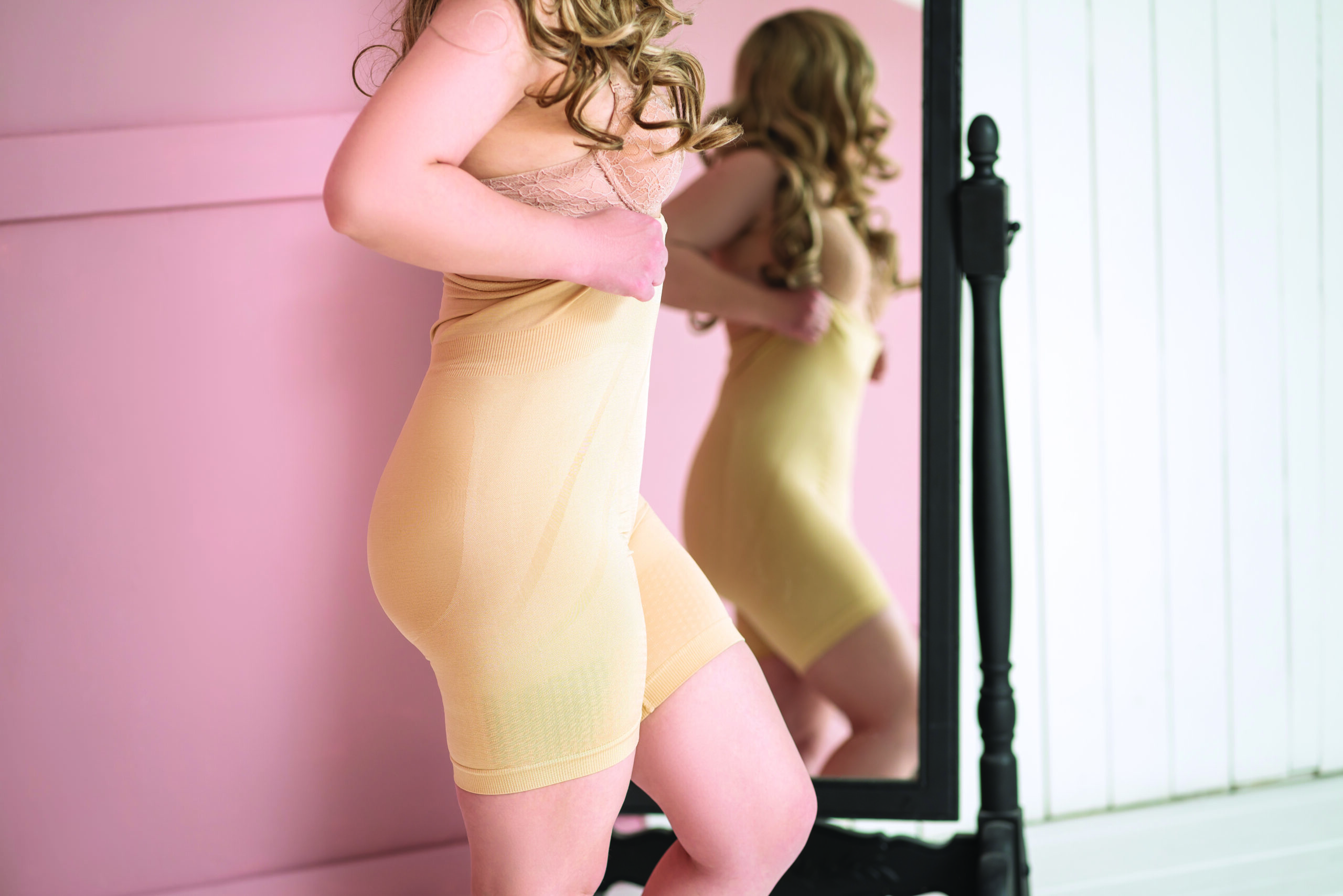
The men’s segment provides a clear example of this positioning. XYXX lists trunks made with 92% TENCEL Modal Micro and 8% elastane, highlighting stretch, waistband design and flatlock seams. These are brand-stated specifications and benefits, rather than independently verified performance claims.
Their relevance is the selling language: consumers are being invited to compare how a garment feels and functions. Retail staff and product pages need to make those differences understandable without turning the purchase into a lesson in textile terminology.
Retailers can support this through a clear price ladder. The entry product should deliver dependable essentials; the next tier should offer a perceptible improvement; specialist products should address a defined need. Cotton basics remain part of that architecture. Customers should be able to understand the additional value before paying for it. Merchandising that relies on permanent markdowns risks obscuring those distinctions and making the reference price more memorable than the product benefit.
Shapewear Finds More Uses
Shapewear makes the relationship between function and confidence especially visible. In April 2026, Wacoal India’s chief operating officer told Business Standard that shapewear’s contribution to its India business had risen to around 7%, from 2% before the pandemic. This is a company-specific indicator, not a national market-share statistic, but it suggests a widening role for the category within an established lingerie business. The opportunity deserves attention while retailers continue to test how frequently customers actually wear and replace these products.
Standalone shapewear estimates remain sensitive to classification. Grand View Research puts the Indian market at $110.5 million in 2026, projecting 9% annual growth through 2033. The scope covers both male and female end uses, so this should not be presented as the size of women’s fashion shapewear alone. Nor should broader compression-wear estimates be substituted for it. The practical response is to size a retailer’s opportunity around relevant customers, garments and purchasing occasions, then expand investment as sell-through and repeat demand become visible.
Build Around Indian Outfits & Bodies
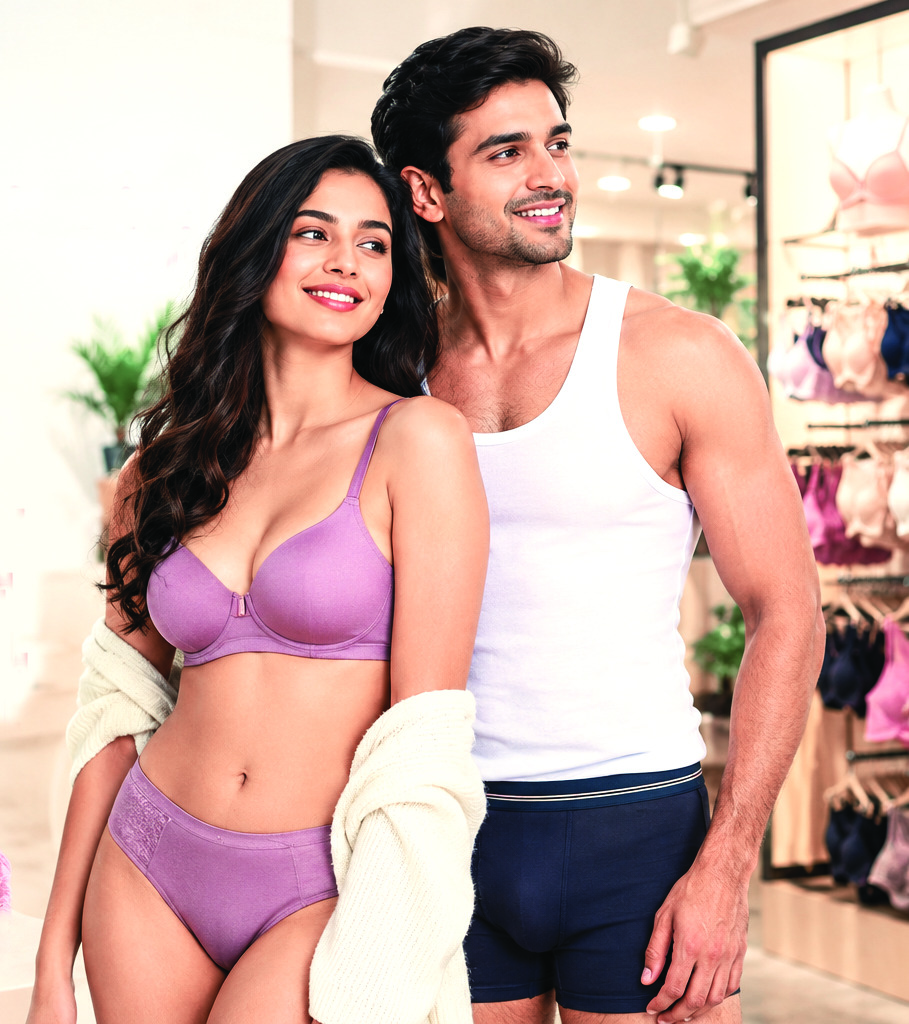 Underneat demonstrates how that proposition can be adapted to Indian wardrobes. Its current assortment includes saree shapewear, while its brief bodysuit page distinguishes compression levels and provides measurements across size options extending to 5XL for that particular style.
Such details help turn an unfamiliar product into a more legible purchase. They also illustrate why a size claim should be checked style by style: an extended range on one product does not establish equivalent coverage across an entire collection.
For retailers, the merchandising opportunity is to organise shapewear around the outfit and the experience the customer wants: smoothing under a fitted dress, support under workwear or an appropriate foundation for a saree. Compression levels and coverage should be explained clearly. Confidence is best served by language that gives the customer choice and control. Fitting advice, imagery and sales conversations should support that position, without suggesting that a particular body shape needs correction.
Take Comfort into Athleisure & Sleepwear
Lifestyle integration creates further opportunities, provided category expansion remains disciplined. Nykaa’s FY26 presentation states that Nykd expanded from lingerie into athleisure and sleepwear. That can extend the occasions for which a consumer considers the brand.
However, each adjacency brings different fits, fabrics, competitors and inventory requirements. The management question is whether the new range wins profitable purchases from existing customers, or requires a separate acquisition effort and additional working capital to sustain it.
Make the First Purchase Easier
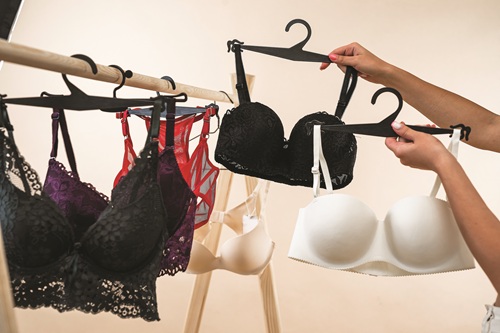
The next challenge is helping the consumer make a confident first purchase. Digital discovery can explain a product privately and at length. Physical retail can add reassurance through trained assistance, fabric evaluation and fi tting services appropriate to the product.
Zivame’s February 2026 plans are instructive: the company told Reuters it intended to add 60–80 franchise-led stores over the following year, from a reported base of 174 exclusive outlets, with smaller cities central to its expansion. Those are announced plans, rather than a count of completed openings.
A retailer should assign a clear purpose to each touchpoint. A store consultation can help establish the right style and fi t; a subsequent online order can make replenishment convenient. Where customers consent, purchase histories can retain the relevant product and size information.
Staff incentives should recognise the relationship created through fitting and advice. Otherwise, a business can invest in service while evaluating the store only on the transaction completed during that visit, understating its role in subsequent purchases.
Give Smaller Cities a Local Retail Model
Smaller-city demand strengthens the case for this approach. Bain and Flipkart’s How India Shops Online 2026 reports that Tier 2 and smaller cities contributed approximately half of incremental e-retail orders in 2025. This is evidence about e-retail overall, rather than innerwear specifically. For innerwear businesses, it supports testing demand beyond metropolitan catchments while researching local price expectations, shopping preferences and service needs. A city-tier label is a starting point for analysis, not a complete customer profile.
Expansion decisions should consequently be made at catchment level. A smaller store or shop-in-shop may offer an effective route where demand is promising but a full exclusive outlet would struggle to cover occupancy and staffing costs. Language, privacy and the availability of trained associates deserve attention alongside location. The same principle applies to assortments: local sales evidence should determine the depth of sizes, silhouettes and price points, with broader choice accessible through a connected ordering service.
Use Quick Commerce for Replenishment
Quick commerce adds another purchasing occasion. Page’s August 2026 earnings call explicitly discussed the channel’s influence on its online distribution model. For an innerwear retailer, a sensible starting hypothesis is to serve urgent requirements and replenishment of familiar products, then test the economics. A limited range of dependable sellers, accurately identified by style and size, can make the offer easier to navigate. A first time purchase of complex shapewear may require considerably more explanation.
Size Inclusivity Needs Inventory Discipline
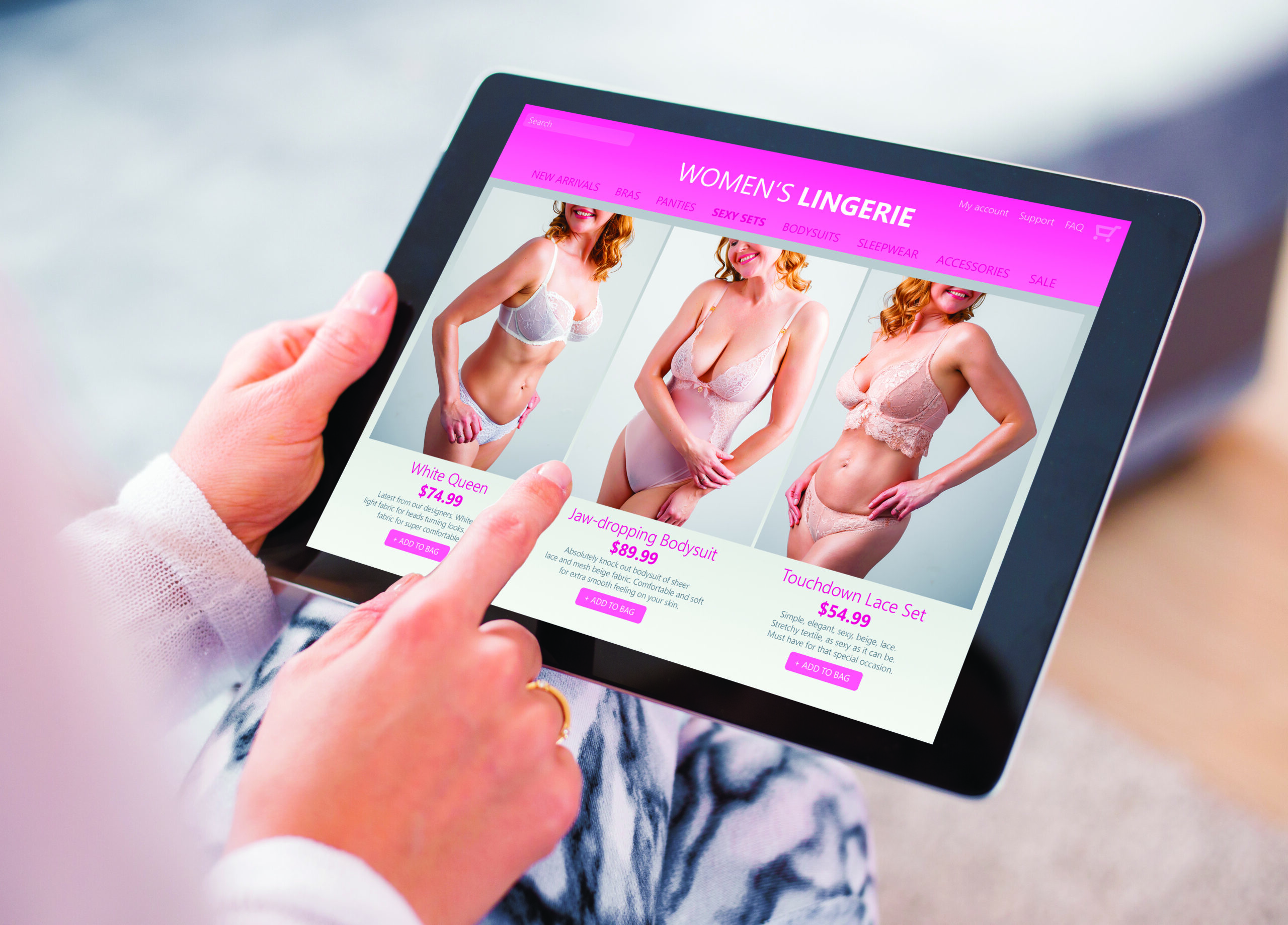 Fit and inclusivity also carry operational consequences. A bra assortment multiplies across band, cup, colour and construction; shapewear adds coverage and compression choices. Extending the size range can address unmet demand, but the promise has to survive the availability check.
Repeatedly advertising a size that customers cannot purchase weakens trust. Businesses should track availability across the advertised range and use pooled inventory or assisted ordering where stocking every option in every outlet is uneconomic. This makes demand forecasting and replenishment central to the customer proposition. Core styles need stable specifications and reliable stock. New silhouettes can begin with smaller quantities and expand on evidence of demand.
Measure Profit & Repeat Purchase
The financial discipline should be equally specific. Compare contribution after product cost, discounts, channel charges, fulfillment and applicable returns or replacements. For stores, include staffing, occupancy and inventory investment. A high-margin product can still produce weak returns if it moves slowly or demands expensive acquisition. Conversely, a dependable replenishment item can support a valuable relationship even when its selling price is modest. Retail decisions should connect margin with stock productivity and customer behaviour.
Management therefore needs a small set of measures that test whether comfort is becoming loyalty. Track first-to-second purchase conversion over a period appropriate to the product, repeat purchases of core styles, realised selling prices, size availability and contribution by customer cohort. Review complaints alongside returns: where hygiene policies restrict returns, a low return rate cannot establish satisfaction. The absence of another purchase may be the more consequential signal. No universal repurchase target should be imposed without understanding the category’s actual usage and replacement cycle.
The opportunity in 2026 is to make innerwear a category in which customers can buy with greater certainty. Brands already have several routes to that outcome: better materials, clearer fit information, relevant product formats and informed retail assistance. The businesses that connect these capabilities with consistent availability and sound economics will be better placed to retain the value they create. Comfort can earn the first preference; dependable execution has to earn the next purchase.
REFERENCES: IMARC: India innerwear market1 | IMARC: India lingerie market2 | Page Industries: FY26 results, Q1 FY27 earnings call 3 | XYXX: product specifi cations4 | Business Standard: shapewear in India5 | Grand View Research: India shapewear market6 | Underneat: saree shapewear, brief bodysuit7 | Nykaa: FY26 investor presentation8 | Reuters, via ET BrandEquity 9 | Bain and Flipkart: How India Shops Online 2026 10