


Description
Dear Readers,
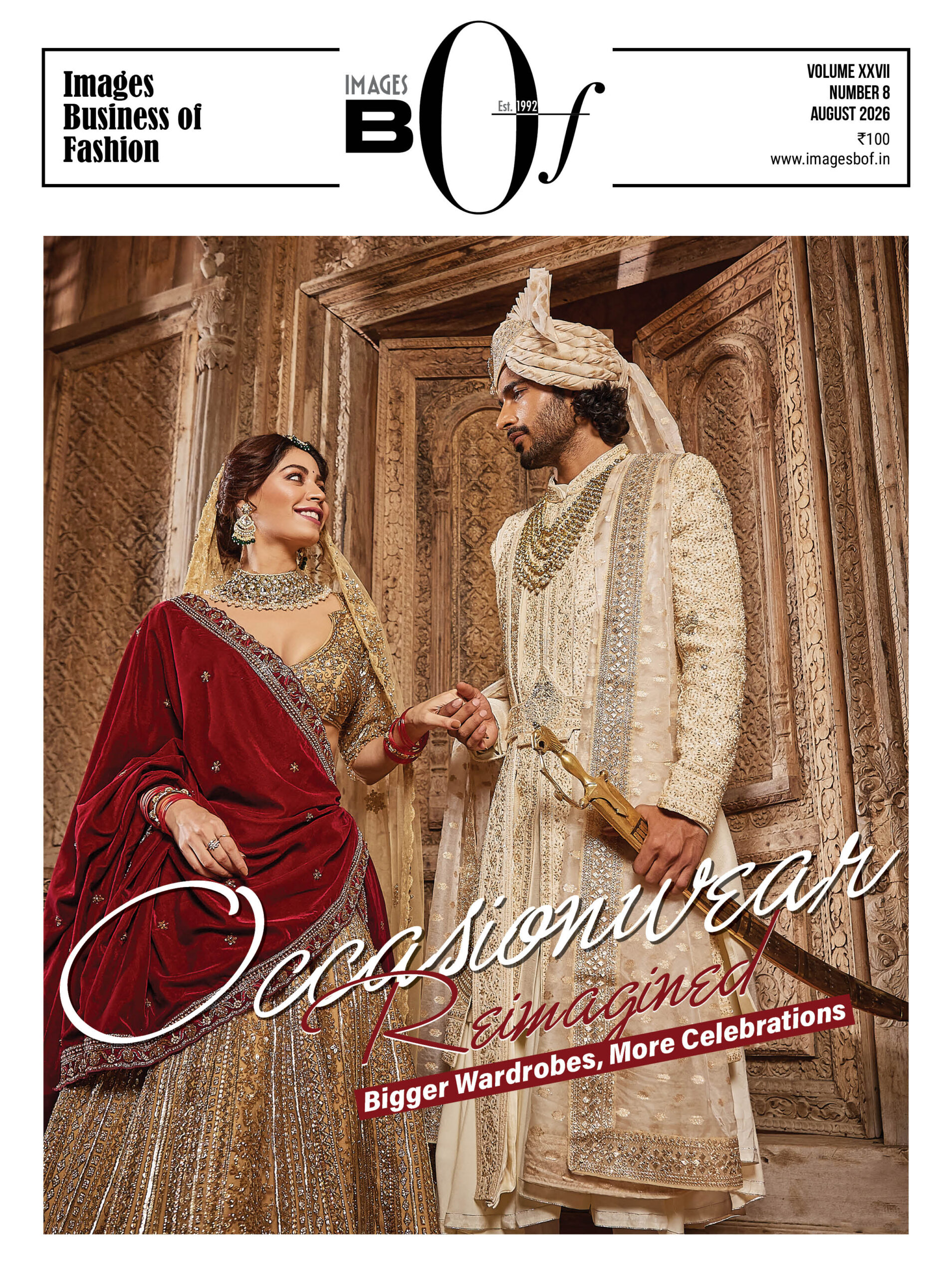
The biggest change in Indian occasionwear may not be how much consumers spend, but how they think about the clothes they buy. The new consumer is increasingly asking whether a garment can be worn again, styled differently or adapted across occasions. This is particularly relevant as Gen Z enters the wedding market with a stronger preference for comfort, individuality, cultural relevance and re-wearability. Recent industry commentary suggests that luxury is increasingly being judged by longevity and personal meaning rather than simply by the price or prestige of a label.
That shift is opening space for alternative business models. In May 2026, Vyshlo launched a peer-to-peer rental and resale platform for premium occasionwear, covering lehengas, sarees, sherwanis, gowns, Indo-Western styles and kidswear.The proposition reflects a consumer dilemma that traditional occasionwear retailers have largely overlooked: the desire to access high-value fashion without necessarily owning every out fit.
At the other end, D2C brands are using digital platforms to compress the distance between trend, design and purchase. During the latest wedding season, homegrown D2C occasionwear brands generated 1.8x demand growth on Myntra, while the platform expanded its ethnicwear proposition with 40-plus new brand launches and more than 2.2 lakh styles.
Meanwhile, couture itself is changing. Recent collections from designers such as Arpita Mehta and Aisha Rao show a movement towards lighter, more contemporary and personally expressive interpretations of Indian occasion dressing rather than purely ornate ceremonial fashion.
The implication for retailers is significant: occasionwear is becoming a marketplace of ownership, rental, resale, customisation and re-wear, with the strongest opportunities likely to emerge where fashion brands can make celebration dressing feel less like a one-time expenditure and more like an evolving wardrobe.